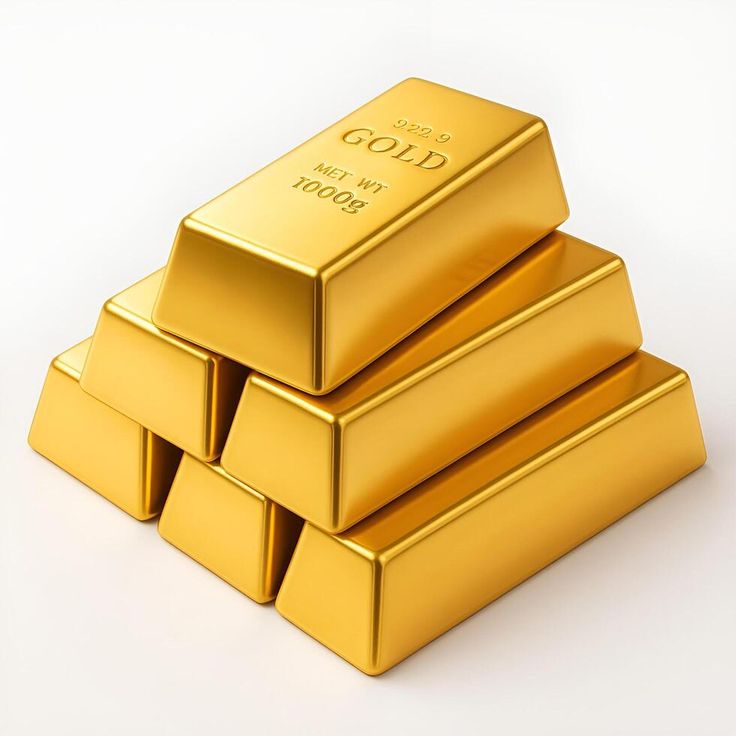
Gold has fascinated humanity for thousands of years. From ancient civilizations to modern financial markets, this precious metal has symbolized wealth, power, and stability. Even today, gold remains one of the most trusted assets in the world, valued for both its beauty and its economic importance.
A Brief History of Gold
Gold has been used since ancient times for jewelry, currency, and religious artifacts. Civilizations such as the Egyptians, Romans, and Indians considered gold sacred and valuable. Because it does not corrode or lose its luster, gold became a natural choice for storing wealth and creating coins.
Over time, gold evolved from a physical currency into a global financial asset. Many countries once backed their currencies with gold reserves, reinforcing its reputation as a reliable store of value.
Why Gold Is So Valuable
Gold’s value comes from a unique combination of qualities:
Rarity: Gold is limited in supply and difficult to mine.
Durability: It does not rust, tarnish, or degrade.
Universal acceptance: Gold is recognized and valued across cultures and countries.
Intrinsic value: Unlike paper money, gold has physical substance and utility.
These factors make gold a dependable asset, especially during times of economic uncertainty.
Gold as an Investment
Gold is widely regarded as a safe-haven investment. When inflation rises, stock markets become volatile, or currencies weaken, investors often turn to gold to protect their wealth.
Common ways to invest in gold include:
Physical gold (jewelry, coins, bars)
Gold exchange-traded funds (ETFs)
Gold mining stocks
Digital gold platforms
Each option has its own advantages, depending on an investor’s goals and risk tolerance.
Cultural and Emotional Significance
Beyond finance, gold holds deep cultural and emotional value. In many countries, gold is associated with weddings, festivals, and family traditions. It is often passed down through generations as a symbol of prosperity and security.
In India, for example, gold plays a central role in religious ceremonies and celebrations, while in many other cultures it represents success and achievement.
Industrial and Modern Uses of Gold
Gold is not just decorative—it is also highly functional. Due to its excellent conductivity and resistance to corrosion, gold is widely used in:
Electronics and smartphones
Medical equipment and dentistry
Aerospace and advanced technologies
As technology continues to evolve, gold’s industrial demand remains strong.
The Future of Gold
Despite the rise of digital currencies and new investment options, gold continues to hold its ground. Its stability, trust, and universal value ensure that it remains relevant in the global economy.
Experts believe gold will continue to be an important asset for wealth preservation, especially in uncertain economic times.
Conclusion
Gold is more than just a precious metal—it is a symbol of trust, stability, and timeless value. Whether used for investment, cultural traditions, or technology, gold continues to play a vital role in our lives. As history has shown, when uncertainty arises, gold remains a shining pillar of security.